Pam Bondi, the Epstein Files, and a Crisis of Accountability Inside Trump’s Justice Department
Few episodes in recent political memory have illustrated dysfunction inside an administration as vividly as the handling of the Epstein files under Donald Trump’s Justice Department. What was already shaping up to be a transparency failure has now escalated into something far more serious: allegations of unlawful document withholding, potential evidence tampering, and a growing bipartisan push for accountability — with Attorney General Pam Bondi squarely at the center of the storm.
The release of Epstein-related materials was supposed to be a moment of reckoning. Instead, it has become a case study in mismanagement and possible obstruction. Despite a clear legal mandate requiring the release of all unclassified materials, vast quantities of documents, emails, photographs, and videos remain withheld. What has been released is heavily redacted, often to the point of uselessness — a move critics say violates both the letter and spirit of the law signed by Trump himself.
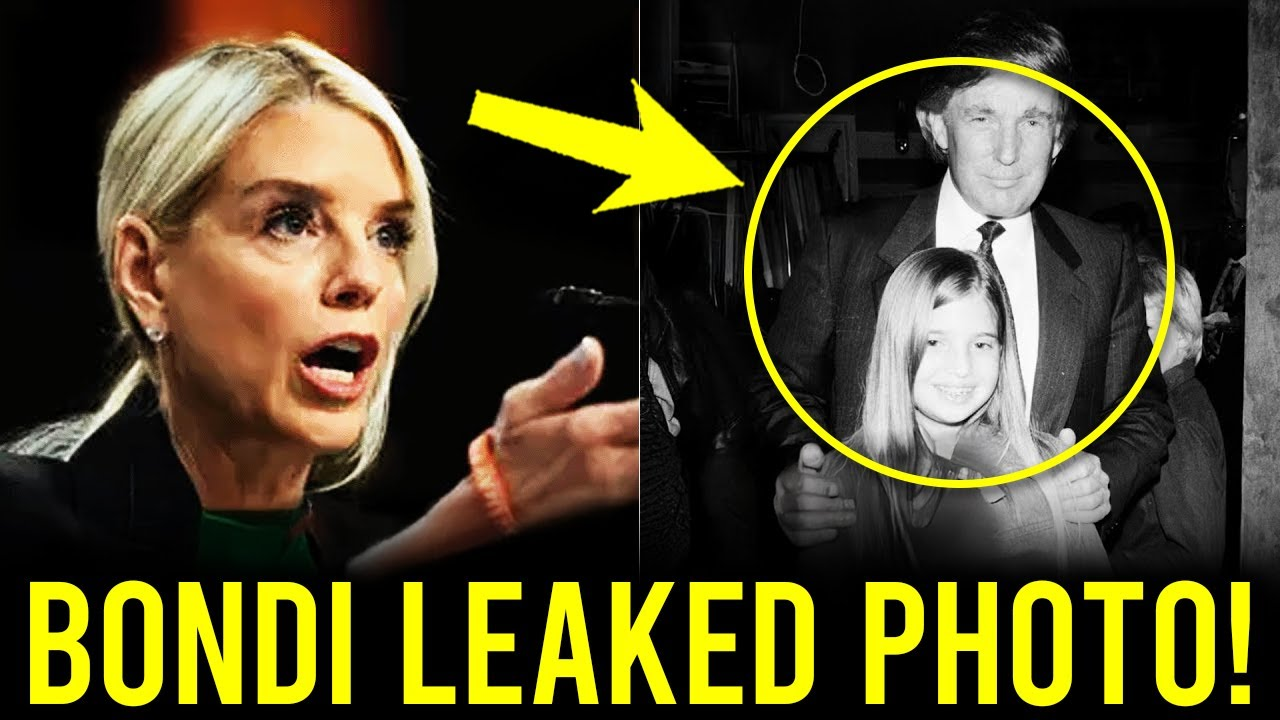
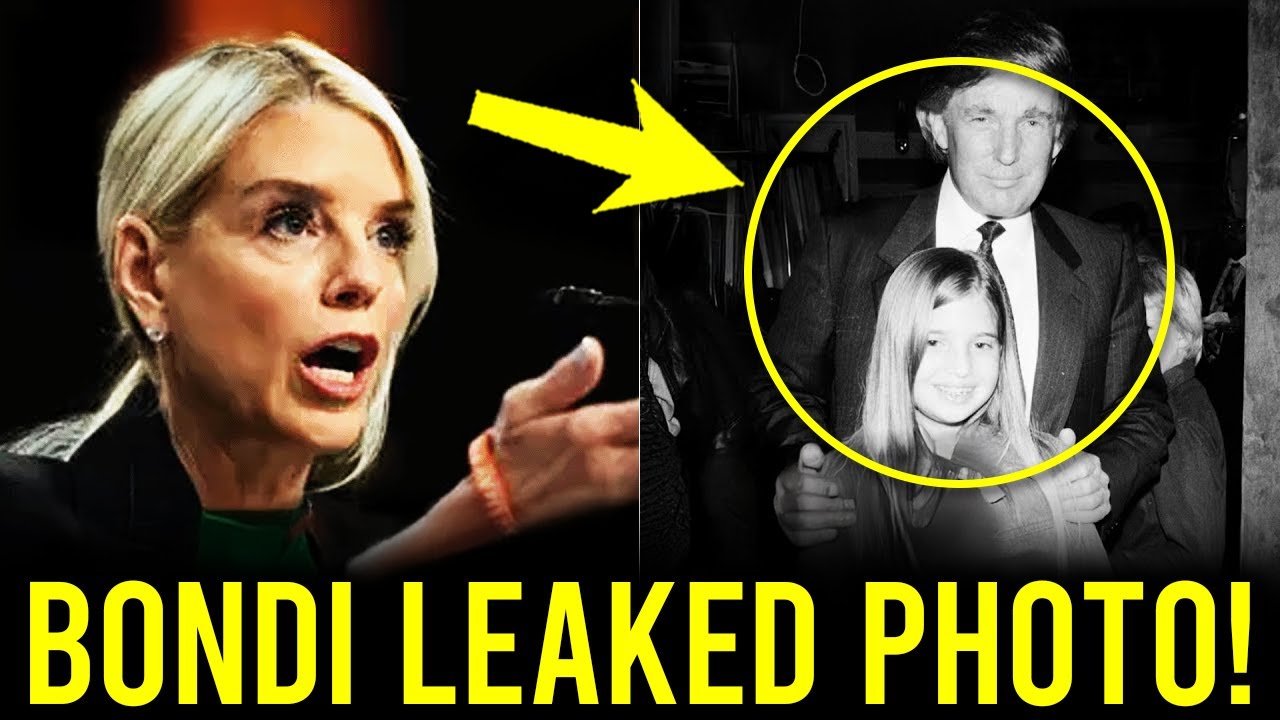
The situation deteriorated further this week when Bondi inadvertently shared photographs showing Donald Trump with Jeffrey Epstein, only to later delete them. That deletion did not go unnoticed. Rather than containing the damage, it amplified suspicions that evidence is being actively suppressed. In the digital age, deleting public records does not erase them — it raises alarms.
Democratic lawmakers were quick to respond. Senator Adam Schiff publicly called for stronger remedies than previously proposed, arguing that concerns about noncompliance had now been fully realized. According to Schiff, the Justice Department has not merely missed deadlines — it has violated the law in plain sight. He and others are now urging the Senate Judiciary Committee to subpoena Bondi and demand sworn testimony explaining why the department failed to comply despite having months to prepare.
Representative Ro Khanna echoed those concerns, emphasizing that the law requires not just partial disclosure, but full transparency: what has been released, what has been redacted, and why. The absence of such clarity, he argued, undermines public trust and denies justice to Epstein’s survivors.
The outrage is not limited to Democrats. Republican Congressman Thomas Massie has reportedly explored articles of impeachment, a striking development that underscores how politically radioactive the issue has become. While impeachment remains uncertain, the fact that it is being discussed at all reflects how precarious Bondi’s position has grown.
Central to the controversy is the perception that the Epstein files are being weaponized for political distraction rather than accountability. Trump allies have circulated old photographs of Bill Clinton with Michael Jackson and children, implying wrongdoing. Subsequent reporting revealed that the children in question were not Epstein victims but the children of attendees at a fundraising event — a misleading narrative amplified by selective redaction.
Meanwhile, Trump’s own appearances in Epstein-related materials appear to receive different treatment. The deletion of Bondi’s post only reinforced suspicions of selective enforcement. Critics argue that releasing damaging images of political opponents while suppressing incriminating material tied to the president amounts to a coordinated cover-up.
Adding to the unease is the role of senior Justice Department officials with personal ties to Trump. Deputy Attorney General Todd Blanche, formerly Trump’s private criminal defense attorney, reportedly met with Ghislaine Maxwell shortly after she was subpoenaed by Congress. That meeting, critics note, appeared focused less on uncovering additional crimes or co-conspirators and more on assessing what Maxwell might say about Trump himself.
Soon after, Maxwell was transferred to a minimum-security facility under conditions described by observers as unusually favorable. While no single decision proves wrongdoing, the sequence of events has fueled accusations of preferential treatment and conflict of interest.
Congressman Jamie Raskin has pointed out that officials previously claimed there was “nothing left to see” in the Epstein files — only to later delay releases and offer shifting explanations. That inconsistency, he argues, suggests the materials have already been reviewed and raises questions about what is now being withheld and why.
Inside the administration, signs of strain are emerging. Some officials appear unwilling to remain associated with the fallout. Others may be gambling that loyalty to Trump will be rewarded with protection — or even pardons — should legal consequences arise. History suggests that such loyalty is rarely reciprocated.
At its core, this controversy is not about partisan politics. It is about whether the Justice Department operates as an instrument of the law or as a shield for those in power. Deleting evidence, withholding mandated disclosures, and obscuring timelines do not merely damage credibility — they threaten the foundation of democratic accountability.
The Epstein case has always been about more than one man’s crimes. It is about networks of power, silence, and complicity. No amount of delay, distraction, or digital erasure will prevent the truth from emerging. If anything, the actions of Pam Bondi and Trump’s Justice Department have only ensured that when accountability comes, it will arrive with far greater force.