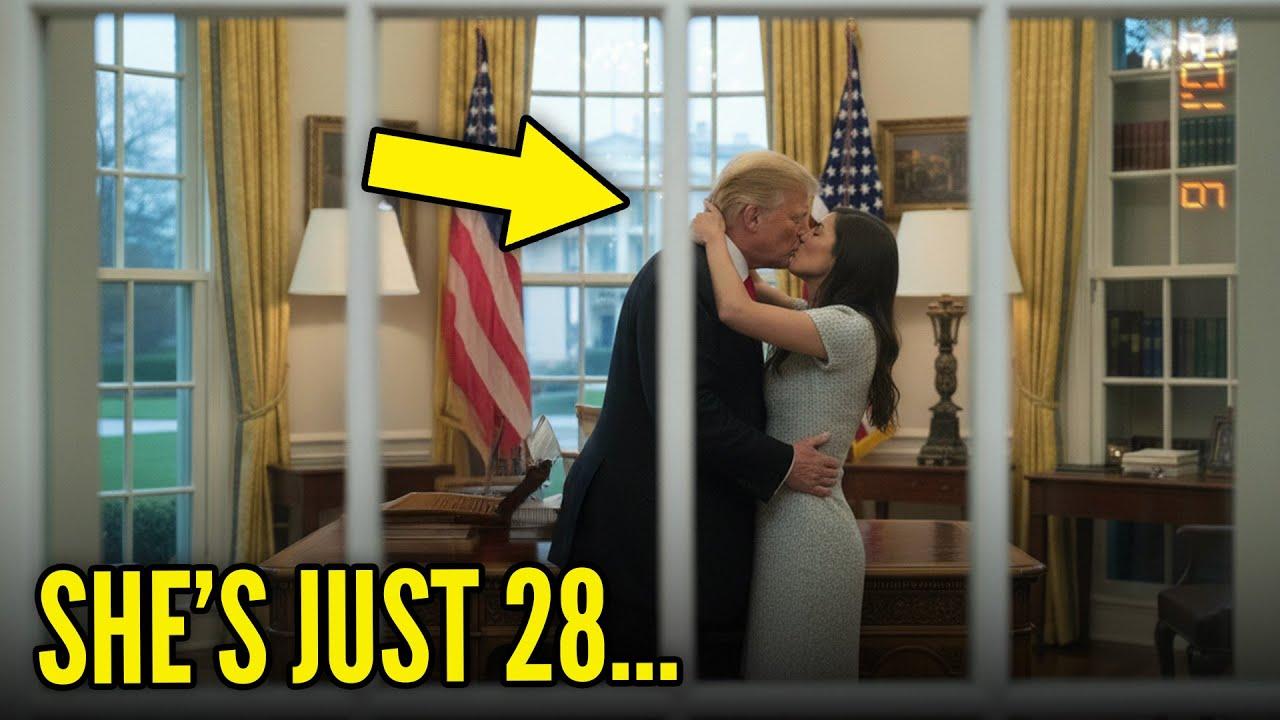
WASHINGTON, D.C. — A wave of sensational posts swept across social platforms this week, alleging a secret affair involving Donald Trump and a former White House aide. Framed with urgent language—“leaked messages,” “late-night visits,” “lawyers scrambling”—the narrative spread at lightning speed. Yet a closer examination reveals a familiar digital phenomenon: dramatic implication traveling far faster than verifiable fact.
This report breaks down what is on the public record, what remains unsubstantiated, and why stories like this gain such traction.
What’s actually documented
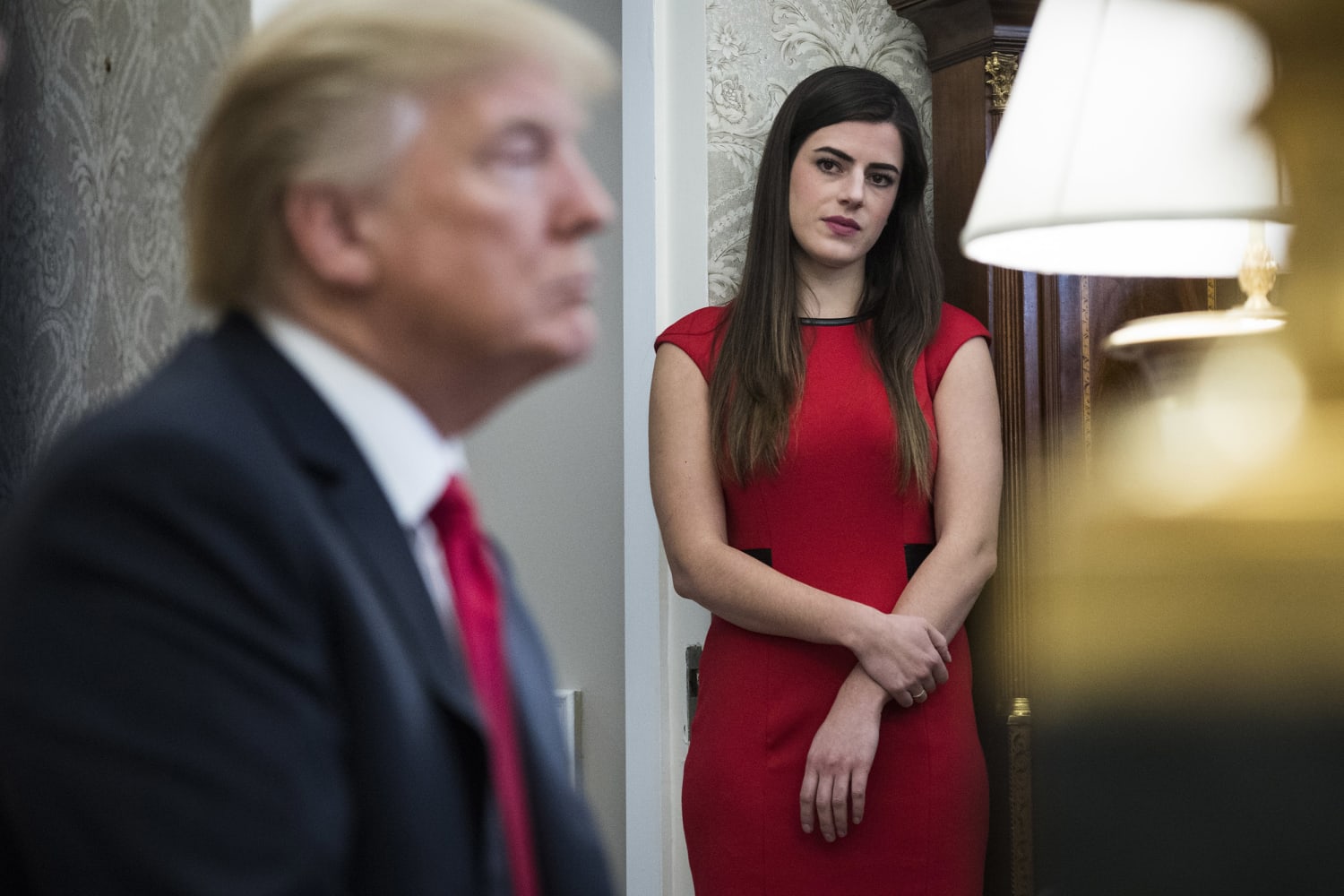
The aide frequently named online is Madeleine Westerhout, who served as Executive Assistant to the President until early 2019. Her dismissal was widely reported at the time and linked to comments made at an off-the-record dinner that became public. Importantly, no official findings, court filings, or law-enforcement statements have ever alleged a romantic or sexual relationship with the president. There are also no authenticated messages released by credible outlets that would substantiate the claims circulating now.
How the rumor narrative formed
The viral posts follow a recognizable pattern. First comes the assertion—“private messages leaked”—without presenting primary evidence. Next, insinuation fills the gaps: timelines are compared to public schedules; phrases like “sources say” and “insiders claim” are used without names or documentation. Finally, urgency is manufactured—readers are told to “scroll before it’s wiped,” a scarcity cue that accelerates sharing even when proof is absent.
Digital media analysts note that this structure is optimized for engagement, not accuracy. Screenshots without metadata and short clips without provenance can look convincing but fail basic verification standards.
Why past controversies amplify belief
Context matters. Trump’s documented personal history, including marriages to Ivana Trump and Marla Maples, and well-publicized legal disputes involving Stormy Daniels, has conditioned audiences to view new allegations as plausible. But plausibility is not proof. Each claim must be evaluated independently on evidence—not inference.
What verification would require
For allegations of an affair to be responsibly reported as fact, journalists would expect primary sources: authenticated communications with verifiable metadata; on-the-record witnesses; corroborating documents; or legal filings. None of these have been produced. Mainstream newsrooms contacted during previous rumor cycles have declined to publish confirmations, citing insufficient evidence.
Digital forensics experts add that fabricated messages are increasingly sophisticated. Without chain-of-custody and independent corroboration, screenshots do not meet evidentiary thresholds.
Institutional responses—and the silence
Neither the White House nor representatives for the individuals involved have issued new statements addressing the latest viral claims. That silence is often interpreted online as confirmation, but media ethicists caution against that leap. Institutions frequently avoid amplifying unverified rumors, especially when repeating them can lend undeserved legitimacy.
Why these stories trend anyway
The incentives of modern platforms reward speed and spectacle. Content framed as scandal—especially involving power, secrecy, and intimacy—triggers strong emotional responses that algorithms amplify. Polarization further accelerates spread, as users share content aligned with prior beliefs. In this environment, debunking often lags virality.
Responsible consumption in a viral age
Readers can protect themselves with three checks:
- Source accountability: Is a reputable outlet standing behind the reporting?
- Evidence quality: Are primary documents presented and independently verified?
- Corroboration: Have multiple credible organizations confirmed the claims?
If any answer is no, skepticism is warranted.

Bottom line
As of publication, the alleged “midnight White House scandal” exists as a viral narrative, not a verified event. The confirmed record shows a former aide dismissed for unrelated reasons and a surge of online speculation fueled by past controversies and engagement-driven framing. Until credible evidence emerges, the responsible conclusion is restraint.
In today’s media ecosystem, implication can outrun fact in hours. Separating rumor from record isn’t just good journalism—it’s essential to public understanding.