Minnesota and Chicago Sue Trump Administration Over Immigration Enforcement, Escalating a Constitutional Showdown
MINNEAPOLIS — A widening legal battle over federal immigration enforcement escalated sharply this week as the state of Minnesota, alongside the cities of Minneapolis and St. Paul, filed a lawsuit against the Trump administration, accusing federal agents of widespread constitutional violations during an aggressive surge of Immigration and Customs Enforcement operations in the Twin Cities.
The lawsuit comes amid reports that nearly 1,000 additional ICE officers are being deployed to the region, a move state officials describe as unprecedented, politically motivated, and dangerously destabilizing for local communities. In a parallel action, the state of Illinois and the city of Chicago filed their own lawsuit against the Department of Homeland Security, alleging a pattern of intimidation, unlawful arrests, and excessive force during recent immigration raids.
Together, the suits mark one of the most direct legal confrontations yet between Democratic-led states and President Donald Trump’s administration, raising fundamental questions about federal power, states’ rights, and the limits of immigration enforcement.
A Flashpoint: A Deadly Shooting in Minneapolis
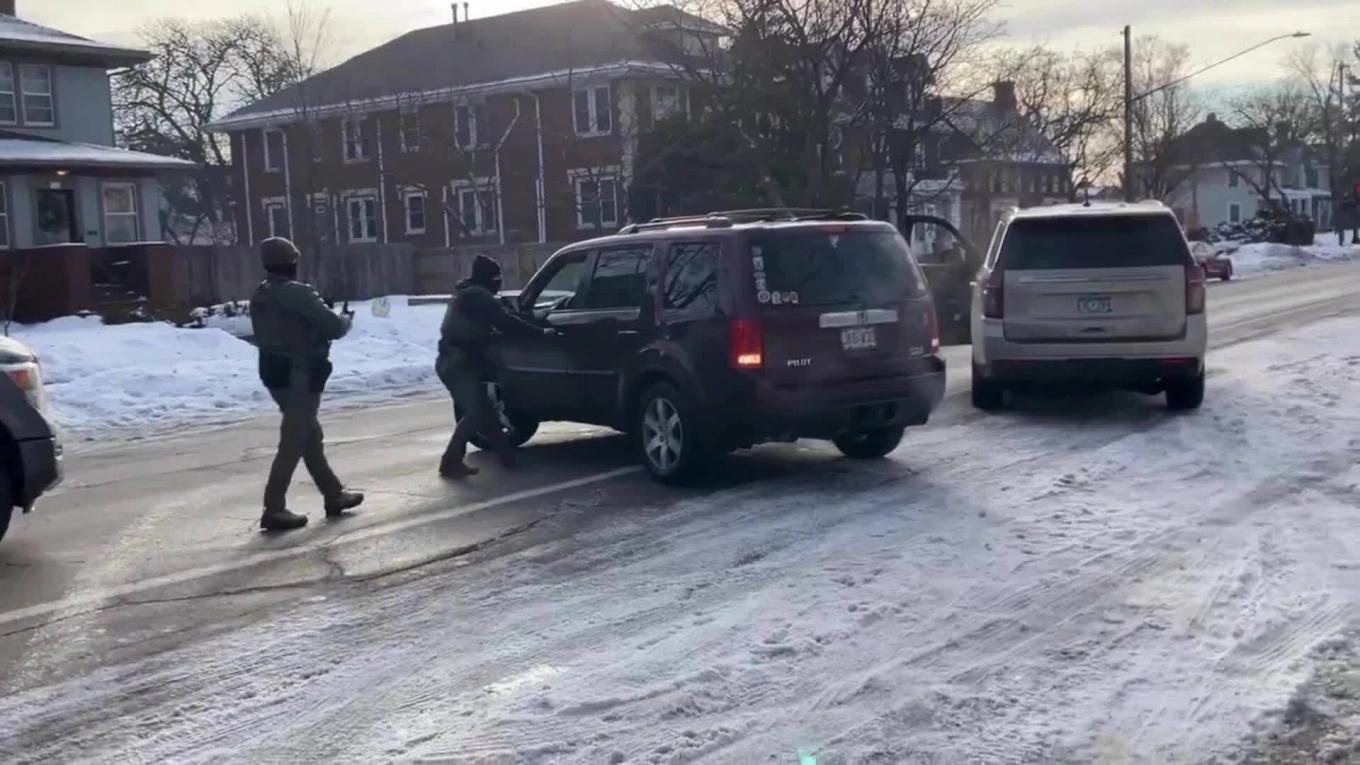
At the center of Minnesota’s lawsuit is the January 7 killing of Renee Nicole Good, who was shot by an ICE agent during an attempted enforcement action in Minneapolis. Video footage and eyewitness accounts indicate that an agent fired one shot through the vehicle’s windshield and then two additional shots through the driver’s side window as the car moved away at low speed.
The Department of Homeland Security has said the officer acted in accordance with training and in self-defense. However, critics — including local law enforcement leaders — dispute that account.
“This was tragic but predictable,” said Sheriff Christopher Swanson, a Michigan sheriff and Democratic candidate for governor, in a CNN interview. Swanson, a 33-year law enforcement veteran, argued that the use of deadly force escalated within seconds, without meaningful de-escalation, and after the immediate threat had passed.
“The danger was no longer in front of the officer,” Swanson said, referring to the second and third shots. “You can criticize police actions and still support the police. That’s not anti-law enforcement. That’s accountability.”
Minnesota officials argue that the shooting exemplifies broader failures in federal enforcement tactics — particularly when carried out without coordination with local authorities.
Allegations of Systemic Abuse
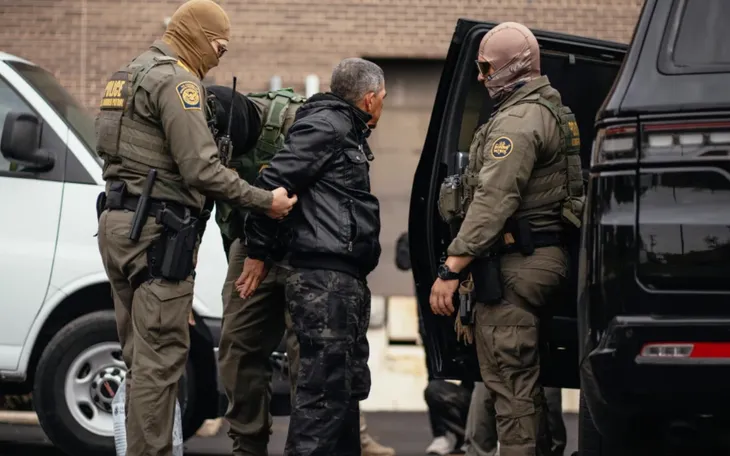
The Minnesota lawsuit alleges that DHS and ICE agents have engaged in a pattern of unconstitutional conduct, including:
- Conducting arrests without warrants
- Detaining individuals based on race, language, or appearance
- Entering private businesses without legal authorization
- Firing chemical irritants at peaceful demonstrators
- Arresting bystanders not targeted in enforcement actions
One particularly sensitive allegation involves enforcement activity near Roosevelt High School in Minneapolis, where agents reportedly used crowd-control measures in the vicinity of students and families.
State officials say such actions have eroded public trust and compromised public safety by discouraging immigrant communities from reporting crimes or cooperating with police.
“Local law enforcement relies on trust,” said a senior Minnesota official involved in drafting the lawsuit. “When federal agents operate with masks, without identification, and without regard for community relationships, they undermine years of work.”
The Administration’s Defense
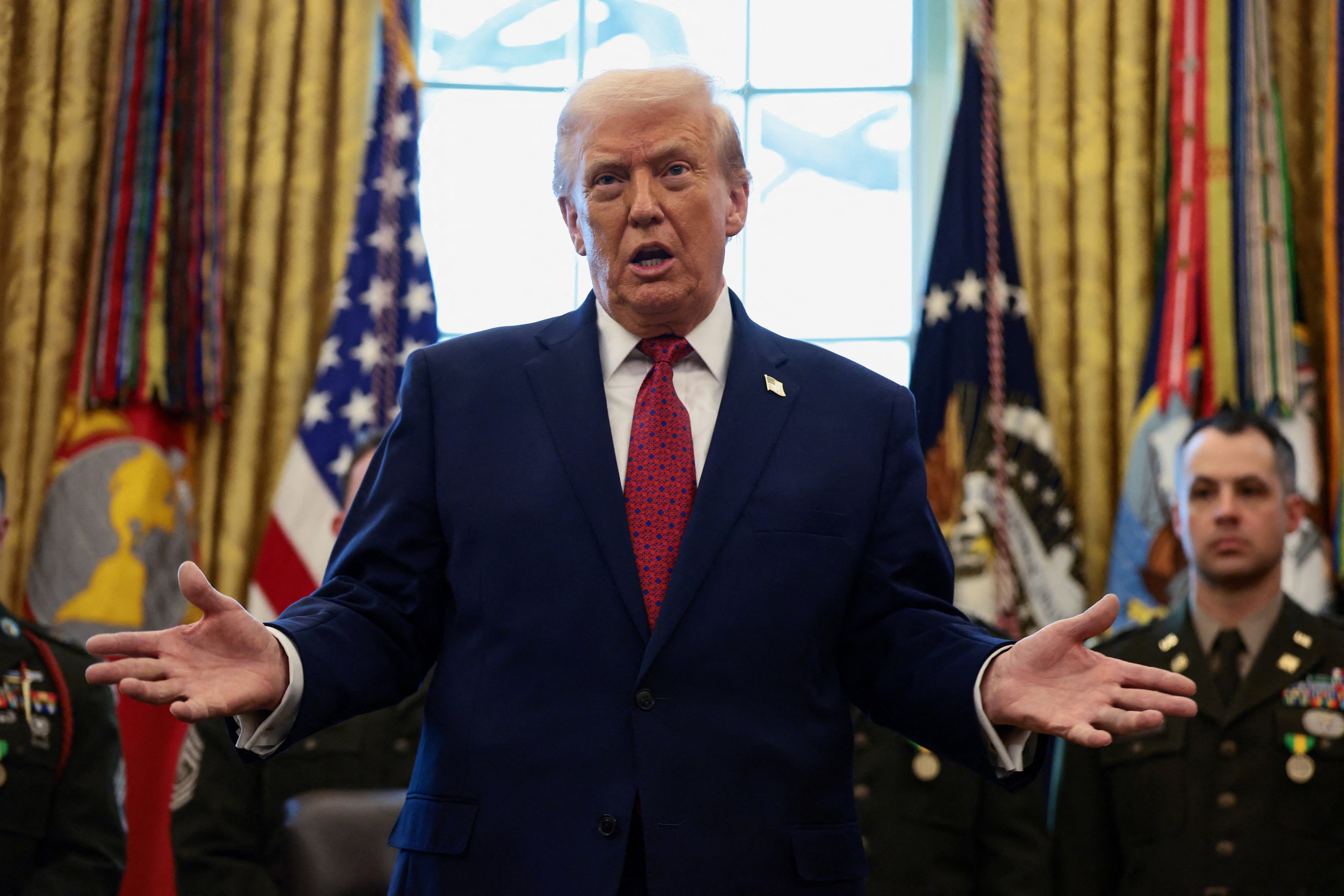
The Trump administration has defended the enforcement surge as a necessary effort to remove dangerous criminals. Over the weekend, ICE released a list of individuals arrested in Minnesota who had been convicted of crimes including sexual assault, domestic violence, and homicide.
“Those people should not be on the streets,” Sheriff Swanson acknowledged. “If someone is undocumented and committing violent crimes, removal is appropriate.”
But Minnesota officials argue that those cases represent a small fraction of enforcement actions. According to data cited in the lawsuit, 93 percent of individuals arrested by ICE in 2025 had no violent criminal history, and 65 percent had no criminal convictions at all.
“This is not about the ‘worst of the worst,’” said Minnesota Attorney General’s office in a statement. “This is about indiscriminate enforcement that sweeps up law-abiding residents.”
A States’ Rights Reversal
The lawsuits have also exposed an ideological tension within Republican politics. While the GOP has long championed states’ rights and limits on federal power, Democratic leaders argue that the Trump administration is now exercising precisely the kind of federal overreach conservatives once opposed.
“This is an overbearing federal government intruding into local communities,” said one Minneapolis official. “The only difference is that these communities disagree politically with the president.”
Minnesota officials point out that the state’s noncitizen population is approximately 1.5 percent, roughly half the national average — lower than in Texas, Florida, or Utah — none of which have experienced a comparable ICE surge.
Political Retaliation Allegations
The lawsuit explicitly alleges that Minnesota was targeted in retaliation for political opposition to President Trump. The president has repeatedly criticized the state, calling it “corrupt,” challenging its election systems, and threatening to withhold federal funding.
Just last week, Trump falsely claimed he had won Minnesota in multiple elections, despite never having carried the state.
“The pattern is unmistakable,” the lawsuit argues. “This enforcement surge is not about public safety. It is about punishing political opponents.”
A Test of Institutional Resistance
For many legal scholars, the lawsuits represent a broader test of whether states and cities can effectively challenge what they see as executive overreach in Trump’s second term.
“Trump appears to have believed there would be no resistance this time,” said a constitutional law professor familiar with the cases. “These lawsuits send a different message: that courts remain a viable check.”
Democratic officials say that message matters.
“Don’t obey in advance,” one official said, echoing a phrase increasingly used by civil liberties advocates. “The Constitution only works if it’s defended.”
What Comes Next

The cases are expected to move quickly through federal courts, with potential implications for immigration enforcement nationwide. Judges may be asked to rule on the legality of ICE’s tactics, the limits of federal authority within states, and the standards governing use of force by immigration agents.
For now, Minnesota officials say their goal is clear: to halt what they describe as unlawful enforcement actions and to reaffirm that federal agencies are bound by the Constitution.
“DHS is not above the law,” the Minnesota filing concludes. “And the people of this state are not beneath it.”