Washington — The White House spent much of this week in a defensive crouch as President Donald Trump’s approval rating slid sharply in national polling averages and a series of contentious press briefings amplified concerns about the administration’s tone, governing style and relationship with democratic norms.
According to the RealClearPolitics polling average, Mr. Trump’s approval rating has fallen by roughly four points over the past week, a notable shift that places him in more precarious political territory heading into an already volatile election cycle. The decline comes amid mounting criticism not only from Democrats and civil-rights advocates, but also from conservative commentators and right-leaning podcasters who had previously supported the president.
Much of the backlash has focused on three issues: the administration’s handling of immigration enforcement, renewed controversy surrounding the release of documents related to Jeffrey Epstein, and Mr. Trump’s increasingly casual public rhetoric about elections and executive power.
A Confrontational Briefing
Tensions were on full display during a White House press briefing led by Karoline Leavitt, the administration’s chief spokeswoman, which quickly went viral after a sharp exchange with a reporter over the killing of Renee Nicole Good during an immigration enforcement operation.
When Ms. Leavitt asked the reporter what he believed caused Ms. Good’s death, he responded that an Immigration and Customs Enforcement agent had acted recklessly. Ms. Leavitt immediately rejected the answer, accusing the reporter of political bias and questioning his legitimacy as a journalist.
The exchange ricocheted across social media, drawing millions of views on X, TikTok and YouTube. Supporters of the administration praised Ms. Leavitt for aggressively challenging what they see as hostile media coverage. Critics, including press-freedom organizations and veteran journalists, argued that the episode blurred the line between rebutting facts and attacking the press itself.
“The job of the briefing room is to inform, not intimidate,” wrote one former White House correspondent on X, a sentiment echoed by several journalism advocacy groups.
Immigration Tactics Under Scrutiny
The briefing came as immigration enforcement tactics have faced growing scrutiny in cities including Chicago, Minneapolis and St. Paul, where heavily armed ICE and Customs and Border Protection units have carried out operations that local officials say resemble military deployments rather than traditional law enforcement.
Illinois Governor JB Pritzker, speaking in an interview that circulated widely online, described the operations as “paramilitary” and accused federal agencies of infringing on civil liberties. He cited several deaths and injuries linked to enforcement actions, alleging that initial government explanations later conflicted with video evidence and eyewitness accounts.
Federal officials dispute those characterizations, insisting that agents are responding to dangerous conditions and targeting individuals with criminal records. Still, images of masked officers in military-style gear deploying tear gas against protesters have become a rallying point for critics who warn of authoritarian drift.
Inflation Claims and Economic Reality
Ms. Leavitt also drew attention for declaring that President Trump had “defeated” inflation, citing a recent Consumer Price Index report and asserting that prescription drug prices had fallen “by more than 500 percent” in some cases.
Economists quickly challenged those claims. While inflation has moderated compared with its post-pandemic peak, analysts note that price growth remains uneven and that a 500 percent reduction in drug prices is mathematically implausible. No independent data released by the Bureau of Labor Statistics or the Department of Health and Human Services supports such a figure.
The White House pointed to negotiations with pharmaceutical companies and a proposed “most favored nation” pricing framework, though experts caution that many of those policies are either limited in scope or not yet fully implemented.
Joking About Elections?
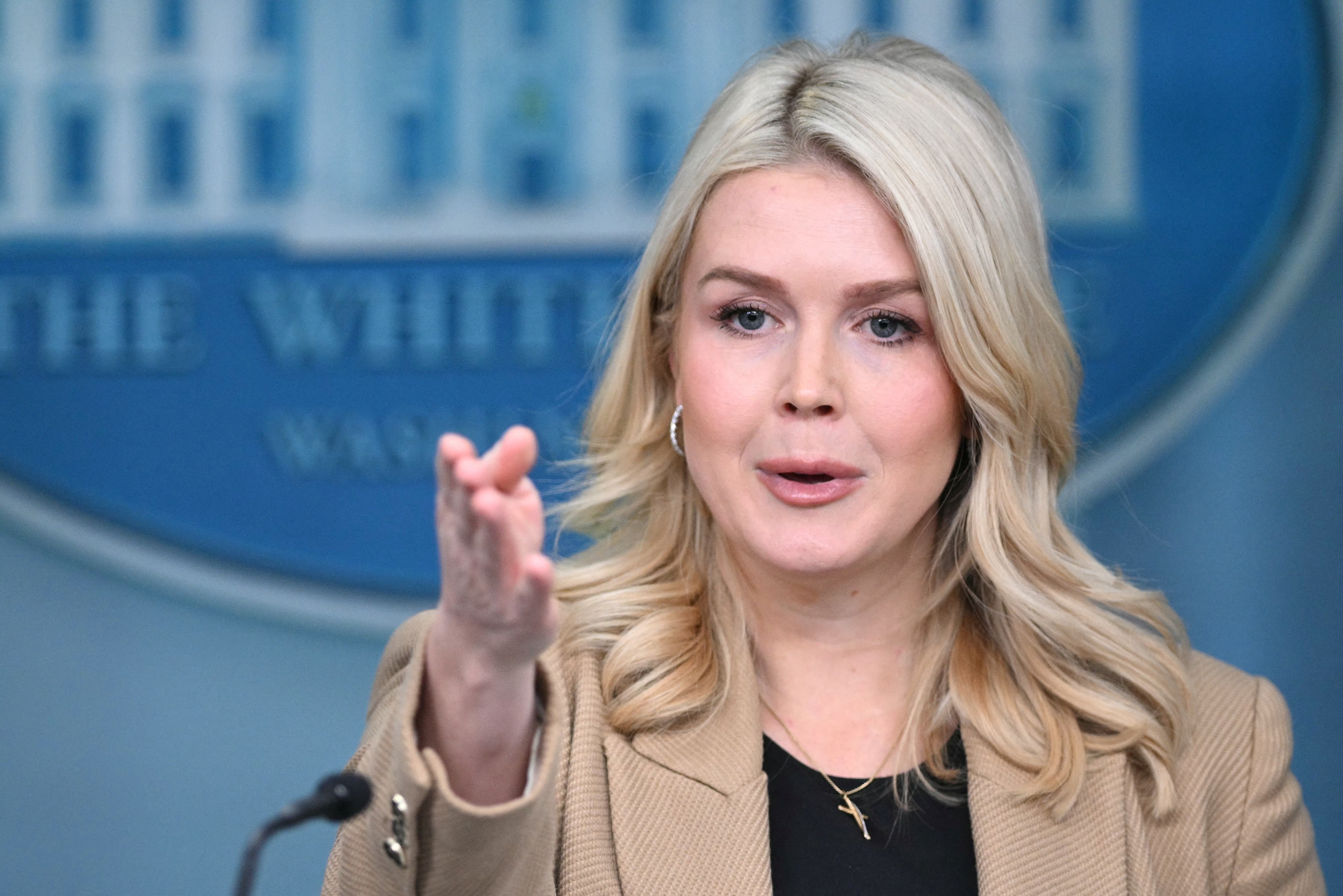
Perhaps the most consequential controversy emerged from Ms. Leavitt’s response to questions about remarks Mr. Trump has made in recent days suggesting that the country might not need future elections if his administration continues what he describes as successful governance.
Ms. Leavitt said the president was “joking” and speaking “facetiously,” dismissing reporters’ concerns as overblown. But the explanation did little to calm critics, who note that Mr. Trump has a long history of questioning election legitimacy and praising strongman leaders abroad.
“Presidents don’t get to joke about suspending elections,” said one constitutional scholar interviewed on cable news. “Words from the Oval Office carry weight, especially given recent history.”
The comments reignited debate among voters, with many expressing unease online, including some Republicans who said such rhetoric undermines confidence in democratic institutions.
Foreign Policy Flashpoints
Ms. Leavitt also confirmed that European troop deployments in Greenland would not alter the administration’s stated interest in acquiring the territory, saying that “all options remain on the table.” While administration officials have previously framed Greenland as a strategic interest rather than an imminent military objective, the remarks fueled international concern and confusion.
Danish and European leaders have reiterated that Greenland is not for sale and have stressed the importance of diplomatic norms. Foreign policy analysts warn that loose language about territorial acquisition risks damaging alliances at a moment of global instability.
A Fracturing Coalition
Compounding the White House’s challenges is visible discontent among parts of the conservative media ecosystem. Several high-profile right-wing podcasters and commentators have criticized the administration over the Epstein file controversy and the scope of immigration enforcement operations, arguing that the president is betraying promises of transparency and restraint.
That internal criticism, amplified across platforms like Rumble, X and YouTube, appears to be resonating with some voters who previously formed the backbone of Mr. Trump’s support.
Polling suggests that while his core base remains loyal, erosion among independents and soft Republicans is contributing to the recent approval slide.
Looking Ahead
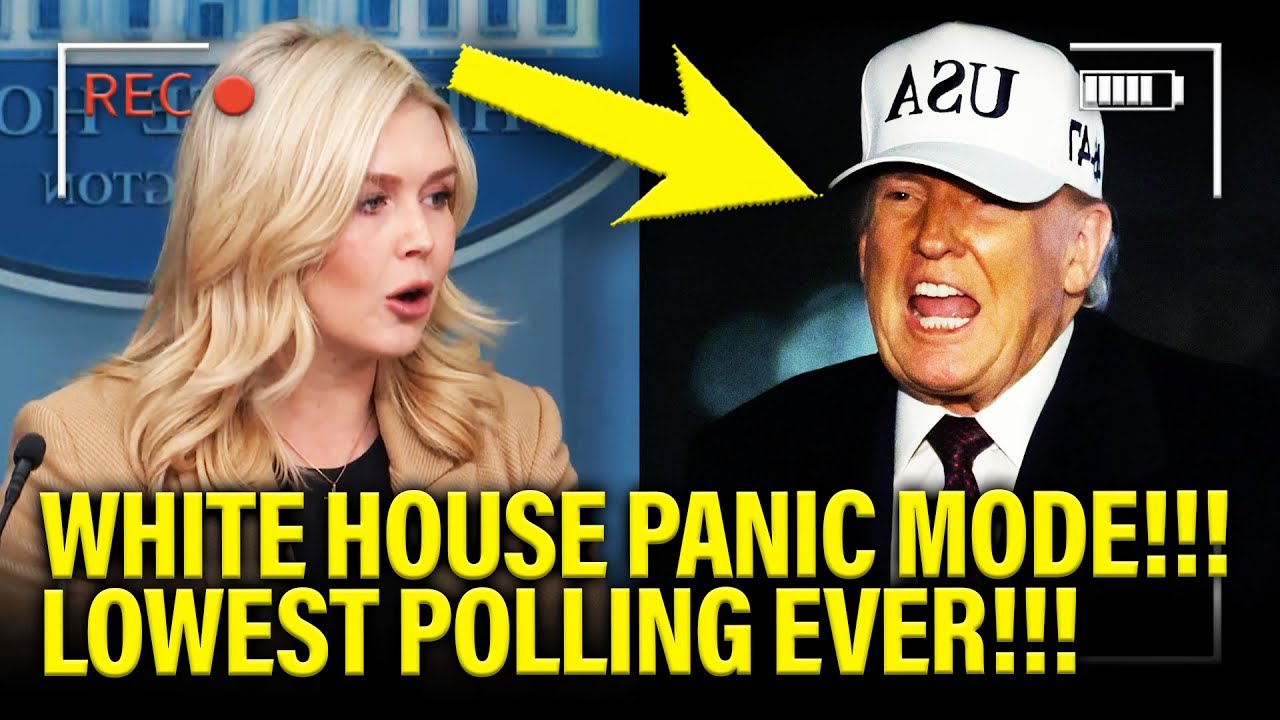
The White House insists the president’s agenda is on track and argues that media coverage exaggerates controversy while ignoring economic gains and border security efforts. Yet the accumulation of disputes — over civil liberties, democratic norms, economic claims and foreign policy rhetoric — has created a sense of instability that even some allies acknowledge privately.
As one Republican strategist said in a message circulating among party operatives, “This isn’t about one gaffe or one briefing. It’s about pattern and tone. Voters notice that.”
With midterm elections approaching and public trust increasingly strained, the administration faces a familiar but intensifying challenge: convincing a skeptical electorate that its actions reflect strength rather than chaos — and leadership rather than spectacle.