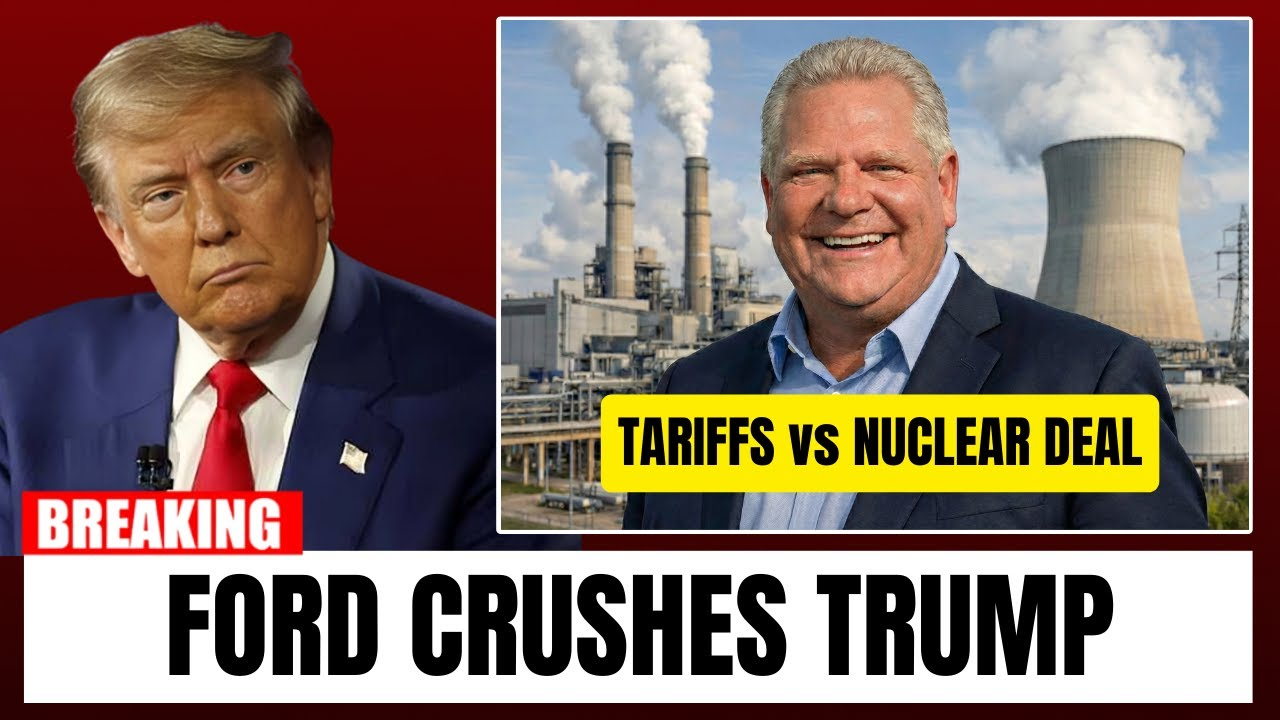
Doug Ford’s appearance in New York was not ceremonial diplomacy. It was a calculated intervention that stunned American audiences and exposed what Donald Trump refuses to admit: tariffs on Canada don’t protect American workers—they hurt them. Standing on U.S. soil, Ford delivered a message Washington has gone silent on, and the implications are bigger than one speech.
Rather than attacking the United States, Ford separated American workers from Trump’s economic strategy. He emphasized shared history, shared industries, and shared prosperity, framing the issue not as Canada versus America, but as workers on both sides of the border versus ego-driven trade warfare. That framing instantly undercut Trump’s “America First” tariff narrative.

Ford then did what Trump consistently avoids—he used data. He reminded Americans that Canada is the United States’ largest trading partner and its biggest customer. When tariffs target Canada, they directly reduce Canadian purchasing power, meaning fewer American exports, fewer American jobs, and higher prices for U.S. consumers. The cause-and-effect was simple, and devastating.
The message grew sharper when Ford revealed something politically explosive: even Republican governors privately oppose Trump’s tariff strategy against Canada. Speaking from direct, daily conversations with U.S. state leaders, Ford exposed the widening gap between Trump’s public bluster and private consensus inside America’s own political class.
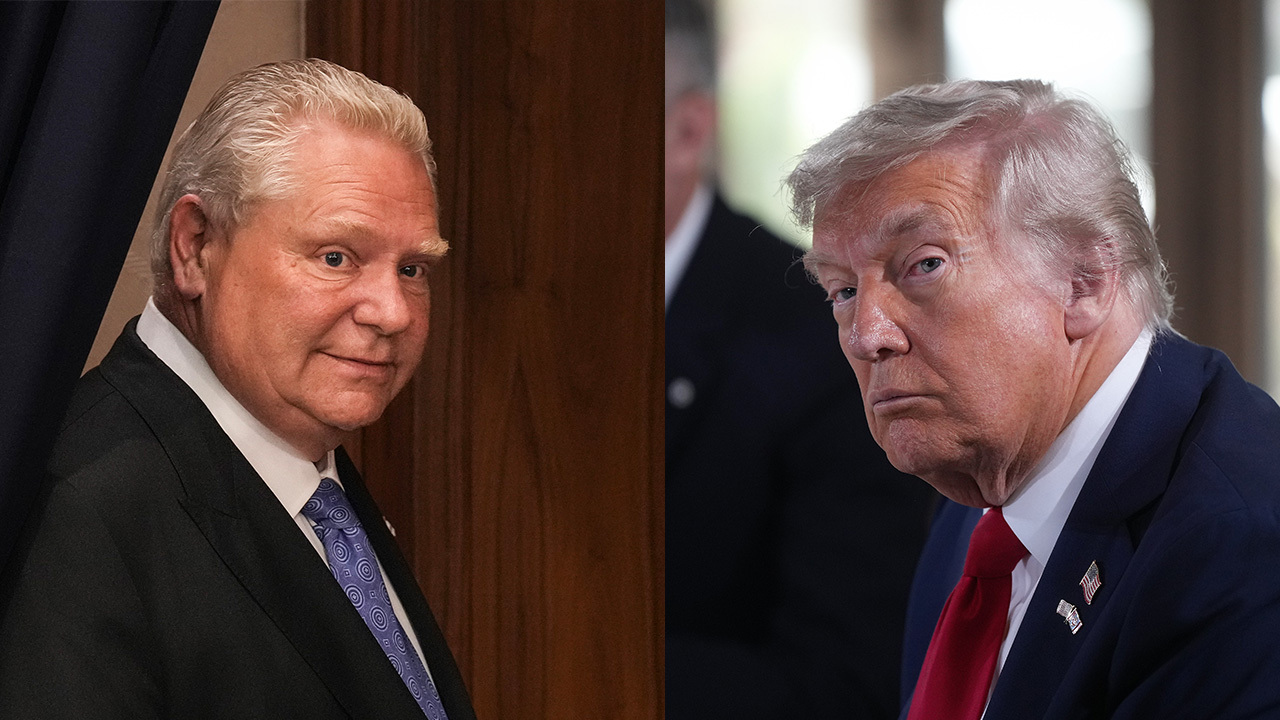
More importantly, Ford showed how Trump’s threats are backfiring. Every tariff accelerates Canada’s push to diversify trade toward Europe and Asia, permanently reducing U.S. leverage. Trump believes pressure creates obedience. In reality, it creates alternatives—and once those alternatives mature, American workers lose Canada as their most reliable customer.
Ford didn’t stop at criticism. He unveiled solutions. Ontario’s nuclear capacity, already able to power millions of homes, is being positioned as a long-term energy partner for U.S. states like New York. Clean, reliable power. Joint infrastructure. Shared workforce development. While Trump threatens energy tariffs, Canada is offering energy security.
The most strategic move was bypassing Washington entirely. By forging direct partnerships with U.S. governors, Ford neutralized federal volatility. These state-level deals will outlast any presidency, making tariff threats increasingly irrelevant. This isn’t diplomacy—it’s structural strategy that reshapes North America’s economic future.
In one visit, Ford achieved what Trump cannot. He defended American workers with facts, expanded Canadian leverage through infrastructure, and exposed the hollowness of tariff politics. Canada didn’t ask for mercy. It demonstrated leadership. And Washington’s silence since says more than any tweet ever could.