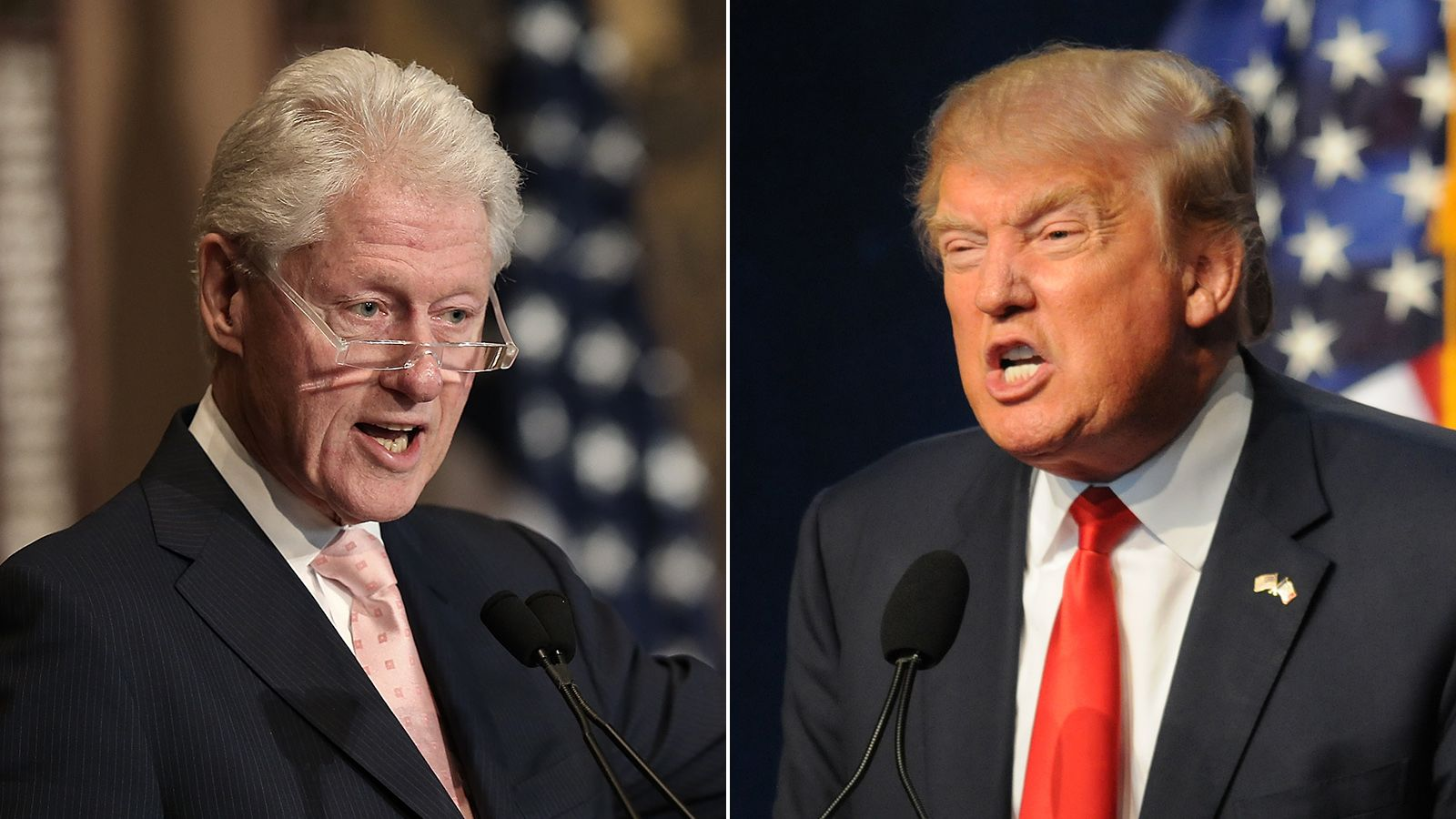
When the Department of Justice quietly uploaded its third major tranche of documents related to Jeffrey Epstein just after midnight, it did more than miss a statutory deadline. It detonated a political and institutional firestorm that now stretches from Capitol Hill to cable news studios — and into the lives of survivors still waiting for accountability.
The release pushed the total number of Epstein-related documents into the tens of thousands. But rather than clarity, the flood produced confusion: inconsistent redactions, missing files, duplicated materials, and raw, unverified tips intermixed with court records. In the words of MSNBC host Chris Hayes, the public was hit with a “fire hose” of material that made it harder, not easier, to understand what the government knows — and why so much remains obscured.
That sense of deliberate disorder has become the central accusation now facing the Justice Department: not that it released too little, but that it released too carelessly.
A law resisted — and then disregarded
Congress passed the disclosure law after years of pressure from Epstein survivors and bipartisan outrage over secrecy surrounding the case. The mandate was straightforward: release the records by a fixed deadline, subject only to narrow and clearly defined redactions.
According to multiple lawmakers, the administration resisted the law from the outset. When the deadline passed without full compliance, the late-night upload only sharpened suspicions. There was no grace period written into the statute, lawmakers note, and no allowance for rolling releases that dribble out after the fact.
What followed only deepened mistrust. Some documents briefly appeared on the DOJ’s website before vanishing. Others appeared in multiple versions — heavily redacted in one release, largely unredacted in another. Names were obscured in places where the law appears to prohibit redaction for reputational or political reasons, while remaining visible elsewhere.
“This is not transparency,” Senate Democratic leader Chuck Schumer said in a statement, calling on the department to explain who made the redaction decisions and why.
New details — and old denials

Amid the chaos, reporters and congressional investigators did uncover substantive information buried in the documents.
One internal email from January 2020, written by an assistant U.S. attorney reviewing flight records, stated that Donald Trump appeared to have traveled on Epstein’s private aircraft more times than previously known, including during periods relevant to potential criminal conduct by Epstein associates. The email referenced at least eight flights and noted one 1993 trip listing only Epstein and Trump as passengers, and another listing Epstein, Trump, and a then-20-year-old individual whose name was redacted.
Trump has previously said publicly that he was never on Epstein’s plane or at his private island. The newly released email has reignited scrutiny of those statements. The document itself does not allege criminal conduct by Trump, but it does raise questions about the accuracy of prior denials — questions that legal experts say warrant careful, evidence-based examination rather than speculation.
Ten co-conspirators — and unanswered questions
Perhaps the most consequential revelation emerged from a separate 2019 email, sent the day after Epstein was federally charged, in which an FBI employee asked for an update on the status of “the 10 co-conspirators.”
The email does not identify the individuals, nor does it explain why prosecutions did not follow. But it confirmed, for the first time in official correspondence, that federal investigators believed Epstein operated with a sizable network.
That disclosure has fueled bipartisan demands for answers.
Who were these individuals? Were cases declined, delayed, or resolved behind closed doors? And why are some names redacted in violation, lawmakers argue, of the disclosure law’s explicit language?
“These are not cosmetic questions,” said Raja Krishnamoorthi, a member of the House Oversight Committee. “They go to whether justice was pursued equally — or selectively.”
Survivors still shut out
Lost amid the procedural fights is the group at the center of the case: Epstein’s victims.
Lawmakers say many survivors have still not been given access to investigative files related to their own abuse. Some have little or no memory of what happened to them, a result of trauma documented by medical professionals. For them, the files are not political ammunition but a means of understanding their own pasts.
To date, advocates say, the DOJ releases have done little to meet that need.
“This was supposed to be about justice for survivors,” Krishnamoorthi said. “Instead, we’re watching an institutional failure that retraumatizes them.”
From transparency fight to constitutional clash
As frustration grows, lawmakers are openly discussing enforcement mechanisms rarely used in modern Washington.
Representative Thomas Massie has floated the use of inherent contempt — a congressional power that allows the House to fine or detain officials who defy lawful orders. Others, including Jamie Raskin, have suggested appointing a special master to oversee disclosures and redactions.
These ideas, once fringe, are gaining traction precisely because the issue cuts across party lines. Even some Republican lawmakers and activists aligned with Trump have expressed anger over what they see as broken promises of full disclosure.
The administration, for its part, has not publicly detailed who authorized specific redactions or why documents were released in inconsistent forms.
Clinton, Trump, and a different political calculus
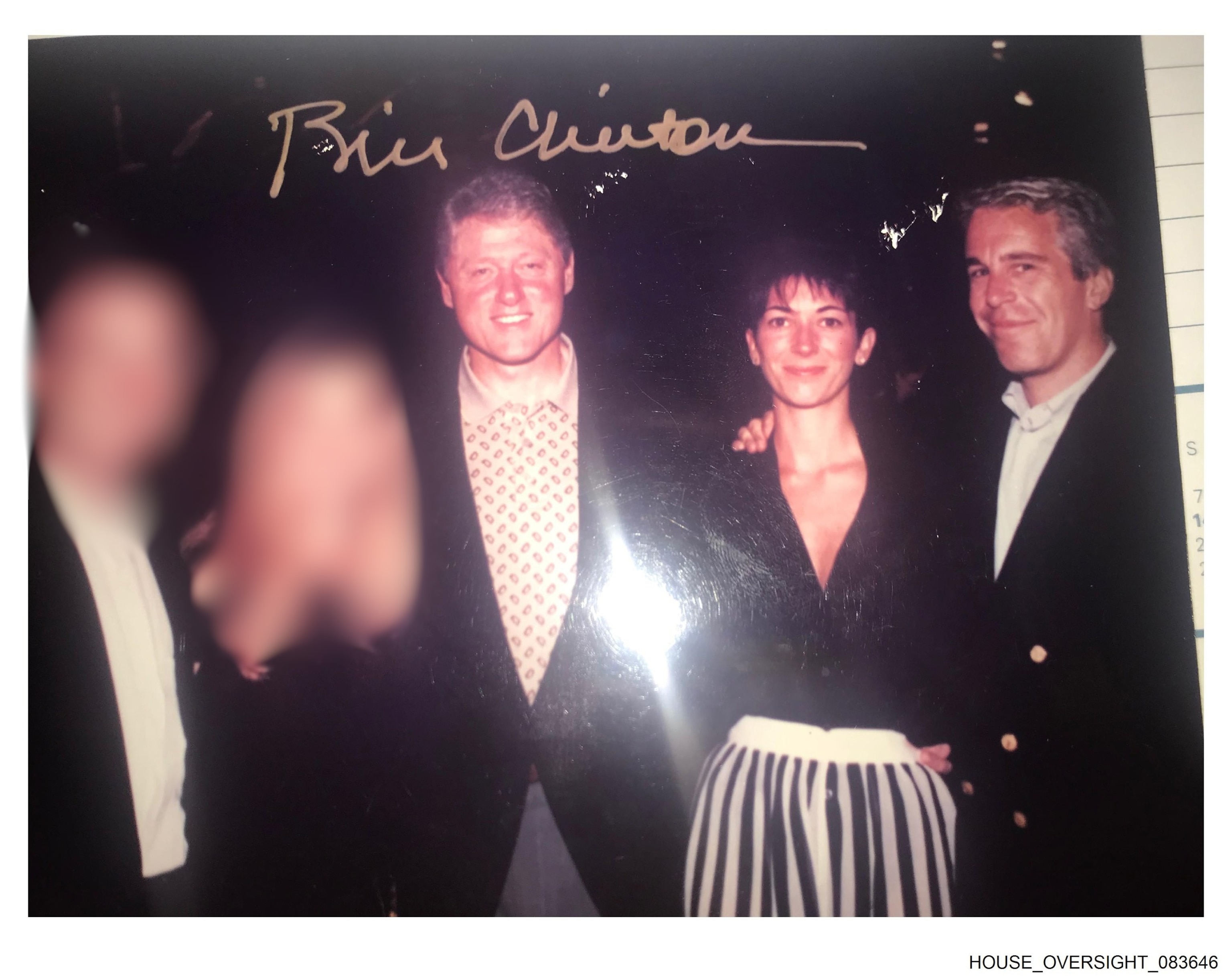
The debate has also exposed a stark contrast in how political coalitions respond to allegations involving their own.
Former President Bill Clinton has faced renewed scrutiny over past associations with Epstein. Some of his former supporters have publicly stated that if evidence shows wrongdoing, consequences should follow — legal or social.
Democratic lawmakers argue that this stance undercuts claims that the Epstein disclosures are a partisan hit job. “We’re not protecting anyone,” one aide said. “We’re demanding consistency.”
That difference, analysts say, has unsettled parts of Trump’s base, which expected political symmetry — and instead found a coalition willing to accept uncomfortable outcomes.
What comes next
The immediate future of the Epstein files now rests on pressure — public, legal, and political.
Courts may be asked to intervene. Congress may escalate enforcement. And the DOJ may yet be forced to explain, in detail, how and why it handled one of the most sensitive document releases in modern memory the way it did.
What remains clear is that the strategy of overwhelming the public with volume while obscuring substance has backfired. Rather than burying the story, it has amplified it.
For survivors, lawmakers, and a skeptical public, the central question endures: not simply what is in the Epstein files, but who decided what the public could see — and why.
Until that question is answered, the controversy will not fade. It will deepen.