Donald Trump has suffered a decisive loss in federal court, a ruling that legal experts say could carry enormous implications for the balance of power between the presidency and Congress. The case, which is now widely expected to race toward the U.S. Supreme Court, centers on whether a president can fire certain executive branch officials at will, even when federal law explicitly forbids it.
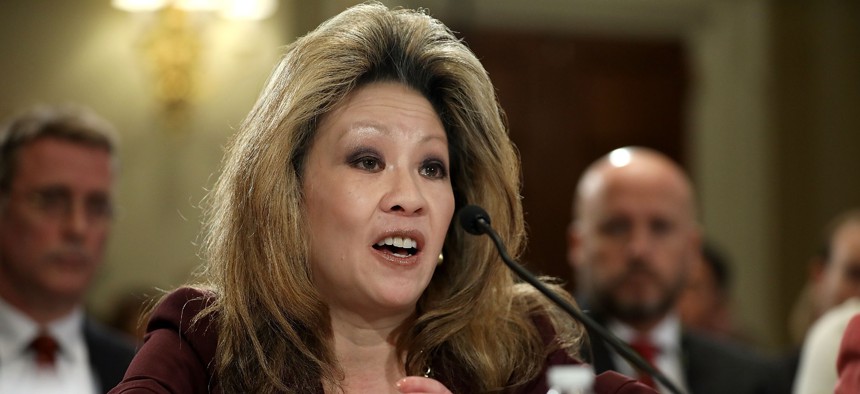
At the heart of the dispute is the firing of Susan Grundmann, a member of the Federal Labor Relations Authority who was appointed to a fixed five-year term. Under longstanding federal law, she could only be removed for cause and after notice and a hearing. Instead, she was dismissed abruptly, with no explanation and no due process, prompting her to challenge the action in court.
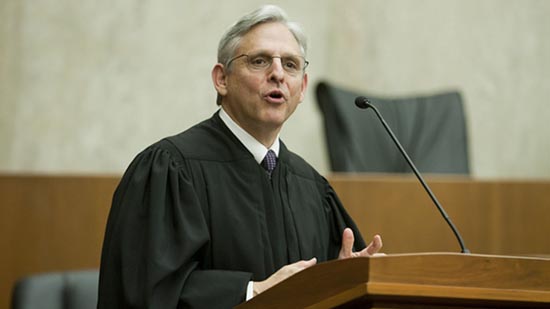
In a forceful ruling, a federal district judge in Washington, D.C., granted summary judgment against the Trump administration, declaring the termination unlawful. The decision was especially striking because Trump’s own Justice Department lawyers conceded that the firing violated existing law. Their argument was not that the action was legal, but that the Constitution should be reinterpreted to give the president far broader removal powers.
The judge flatly rejected that position, warning that such arguments threaten the constitutional system of checks and balances. In sharply worded language, the court emphasized that the United States “is not an autocracy,” underscoring that Congress has the authority to protect the public by limiting a president’s ability to fire independent officials on a whim.
This case is rooted in a nearly 90-year-old Supreme Court precedent known as Humphrey’s Executor, which affirmed Congress’s power to set fixed terms and removal protections for certain executive officials. For decades, courts have relied on that decision to uphold the independence of regulatory agencies and oversight bodies. Trump, however, has openly sought to overturn or weaken this precedent as part of a broader push to expand presidential authority.
Legal analysts say the ruling could have ripple effects well beyond this single plaintiff. Inspectors general, special counsels, and members of other independent boards who have been fired under similar circumstances may now feel emboldened to sue, using the court’s reasoning as persuasive authority in their own cases.
The looming question is how the Supreme Court will respond. While the current Court has shown a willingness to overturn long-settled precedent, recent decisions suggest that not all justices are comfortable with unchecked executive power. In a separate case involving unpaid government contractors, Chief Justice John Roberts and Justice Amy Coney Barrett joined the liberal bloc to rein in Trump-era assertions of presidential authority.
As this case heads toward the nation’s highest court, its significance is clear. The outcome could determine whether Congress retains the power to shield parts of the executive branch from political purges, or whether future presidents will gain sweeping authority to reshape the federal government at will. For now, the ruling stands as a sharp rebuke—and a high-stakes warning about the future of American democracy.