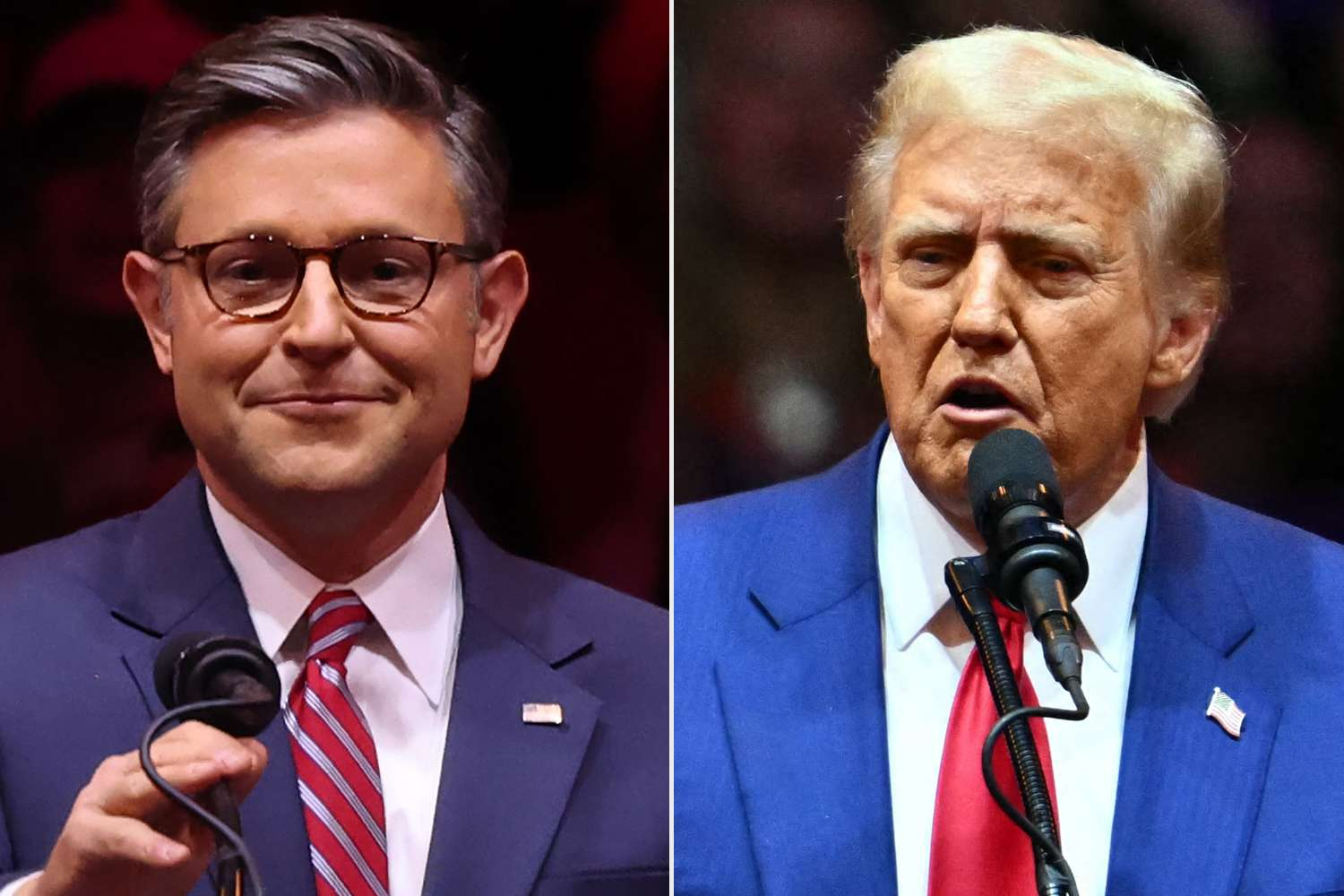
Trump’s Ballroom Plan Collapses as Kennedy Center Rename Sparks Legal Revolt in Congress
A political and cultural backlash is mounting after reports that Donald Trump’s high-profile East Wing ballroom project has been halted, colliding with a broader storm over attempts to rename the Kennedy Center. What began as a series of aesthetic and branding moves has escalated into a legal and constitutional dispute now drawing in Congress, arts leaders, and members of the Kennedy family.
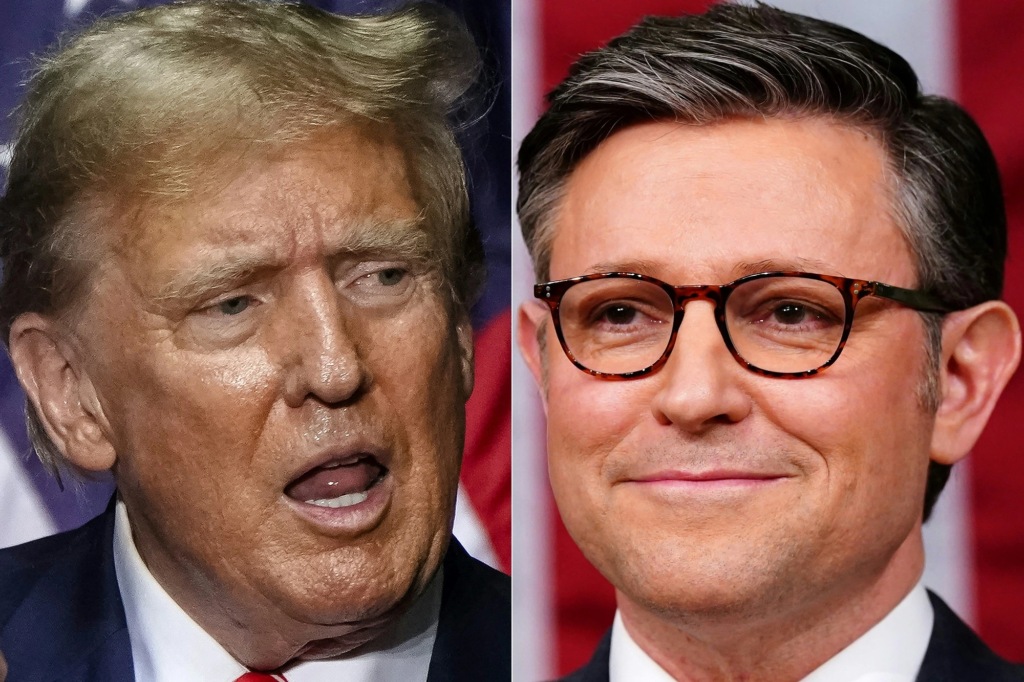
Lawmakers argue the controversy underscores a basic principle: the White House and national monuments are public property, not private assets. Critics say Trump’s renovation push—along with the installation of highly partisan plaques and rebranding efforts—sidestepped the federal review processes required of other government buildings. Those reviews typically involve the National Capital Planning Commission and the Commission of Fine Arts, bodies designed to protect historic integrity.
The flashpoint intensified when workers were reported to be adding Trump’s name to the Kennedy Center following a decision by a board appointed during his administration. Members of the Kennedy family publicly objected, calling the move inappropriate for a living memorial dedicated to President John F. Kennedy. Former Congressman Joseph P. Kennedy III emphasized that the center’s name is governed by statute and congressional authority—not executive preference.
Democratic lawmakers quickly moved to respond. Joyce Beatty, an ex officio member of the Kennedy Center board, described the vote as alarming and disputed claims of unanimity. She alleged that dissenting voices were muted during deliberations, a charge that has fueled calls for oversight and transparency around the decision-making process.
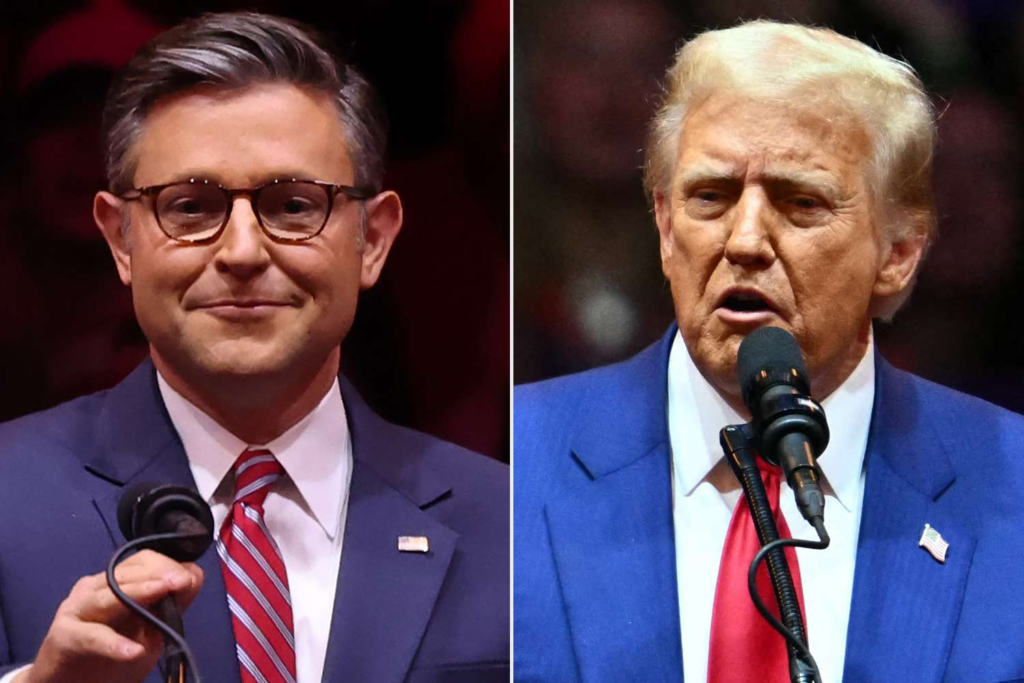
House leaders echoed those concerns. Hakeem Jeffries stated that only Congress has the power to rename the Kennedy Center, arguing that executive branding of national institutions sets a dangerous precedent. Legal experts note that courts have historically sided with Congress on naming authority, suggesting the lettering could be temporary.
The backlash widened as commentators linked the cultural dispute to a tumultuous political week. Analysts cited a frenetic national address, partisan plaques under presidential portraits, and stalled policy promises as evidence of a presidency focused on legacy projects while economic anxieties persist. Polling referenced in the discussion showed a majority of Americans saying conditions feel no better than before, heightening sensitivity to symbolic gestures.
Republican cracks added pressure. In recent weeks, GOP lawmakers have broken ranks on unrelated issues—such as the release of Epstein-related records and ACA subsidy votes—signaling limits to party unity. Observers argue that the convergence of cultural overreach and legislative resistance has accelerated opposition to Trump’s pet projects.
As Congress weighs legislative fixes to subject White House alterations to standard federal review, the outcome remains uncertain. But the direction of travel is clear: the attempted rebranding has transformed from a vanity initiative into a legal liability. Whether lettering stays or comes down, the episode has reignited a fundamental debate about stewardship of public symbols—and who, ultimately, gets to decide how America’s history is presented.