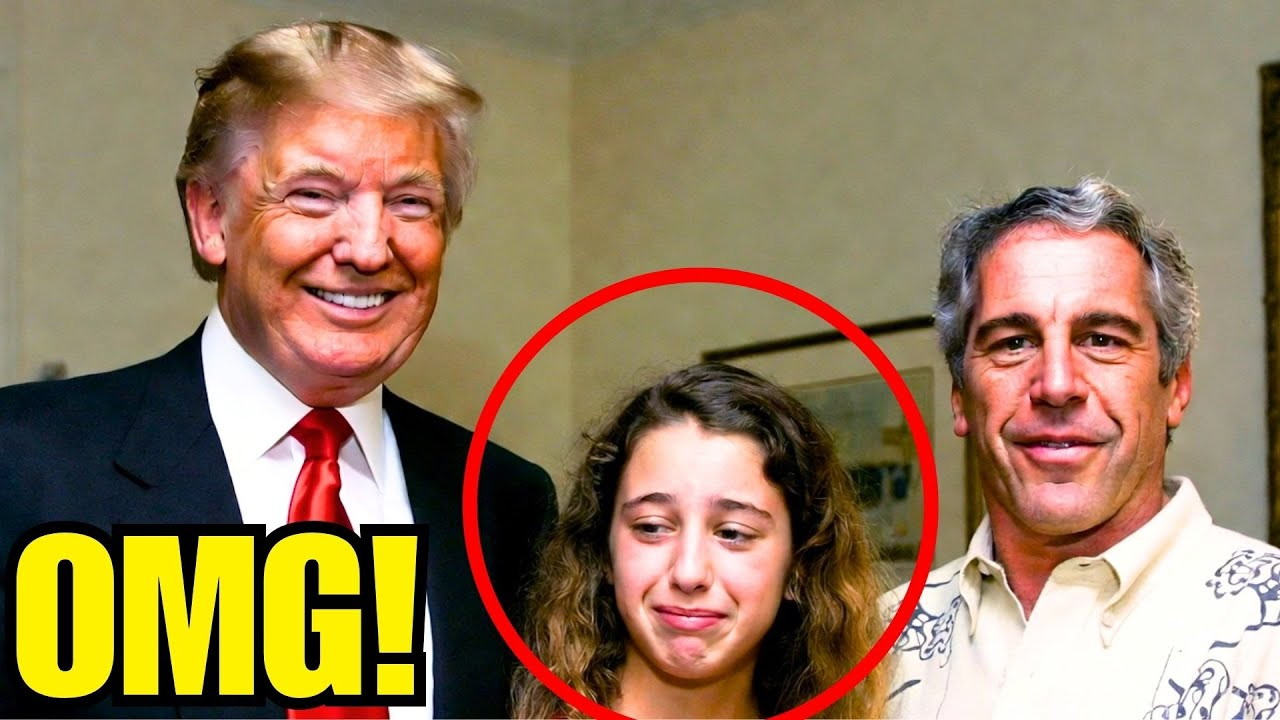
Washington is bracing for a new legal and political storm after the Department of Justice released a partial set of Epstein-related materials that critics say fails to meet the transparency standard mandated by federal law. The disclosure—delivered ahead of a statutory deadline—has ignited accusations of overbroad redactions, selective withholding, and procedural noncompliance, placing renewed scrutiny on the administration and on Donald Trump, who previously endorsed the release framework.
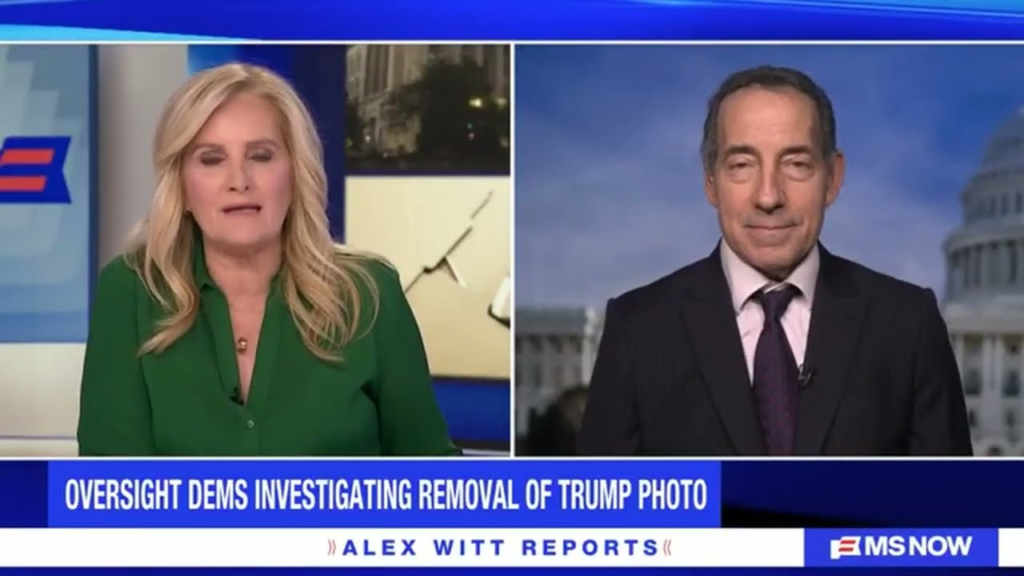
Lawmakers and legal commentators focused on the scope of the redactions. Entire sections of grand jury material were reportedly blacked out page after page, prompting questions about whether the DOJ exceeded the narrow redaction authority allowed under the statute, which is intended to protect victims’ identifying information—not to obscure context wholesale. Critics argue that blanket redactions undermine Congress’s intent and prevent meaningful oversight.
The controversy intensified as analysts noted that DOJ officials had acknowledged months earlier that the files had already been reviewed. That admission has fueled skepticism about last-minute claims that full compliance was impractical. Oversight advocates contend that if the materials were previously scrutinized, producing an unredacted—or properly explained—release should not have required extraordinary effort.
Debate has also centered on alleged inconsistencies in what appeared, what was obscured, and what was later removed from public view. Commentators stressed that the issue is not proof of wrongdoing but process: whether the government followed the law’s requirements for disclosure, explanation of redactions, and preservation of records. In transparency disputes, they note, process failures alone can trigger court intervention.
Members of Congress are now weighing next steps. Because individual lawmakers typically lack standing, attention has shifted to whether House leadership will authorize litigation to compel compliance. Options under discussion include court orders demanding justification for redactions, contempt proceedings, and tighter deadlines for subsequent releases—moves that could escalate a political standoff into a judicial one.
The release has also revived broader questions about accountability in long-running investigations. Survivor advocates emphasize that transparency delayed is justice delayed, arguing that clarity about timelines and decision-making is essential even when names are not alleged to have committed crimes. They caution that excessive secrecy erodes public trust regardless of eventual findings.
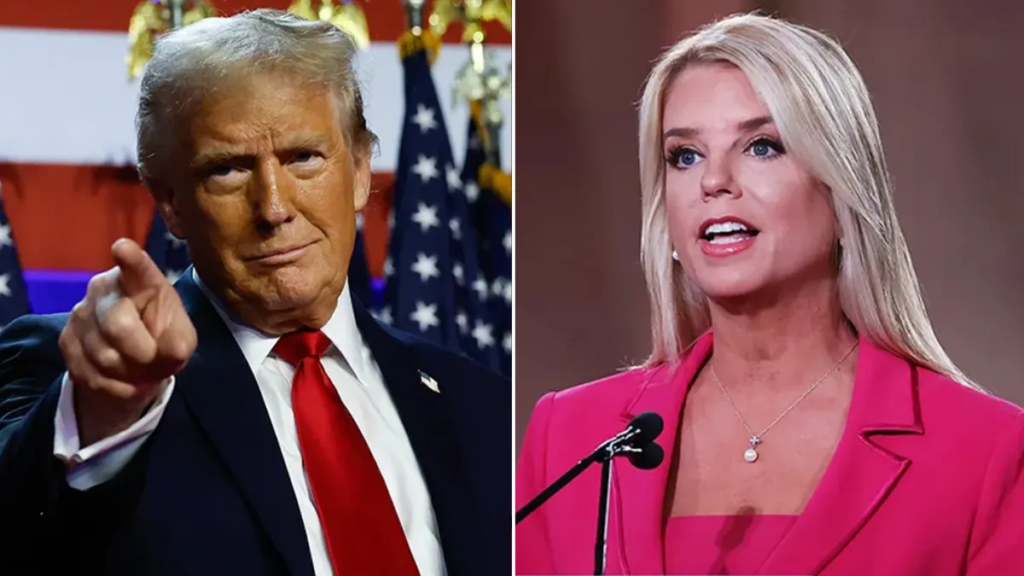
Supporters of the DOJ counter that redactions are necessary to protect victims and avoid prejudicing uncharged individuals. They warn that misinterpretation of raw materials could cause harm and insist that additional batches will provide more context. Critics respond that the law already balances those concerns and requires explanations—not blanket blackouts.
As pressure mounts, the stakes extend beyond any single figure. The dispute has become a referendum on whether transparency laws have teeth and whether executive agencies can narrow their obligations through aggressive redaction. Whether courts compel fuller disclosure or lawmakers recalibrate the statute, the outcome will shape how future high-profile releases are handled—and how much faith the public places in them.